
Guitar Fretboards
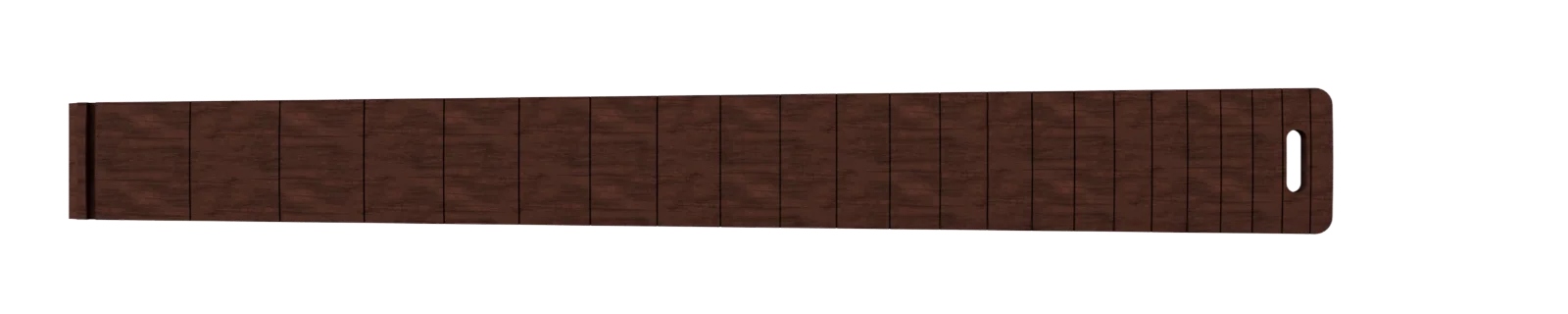
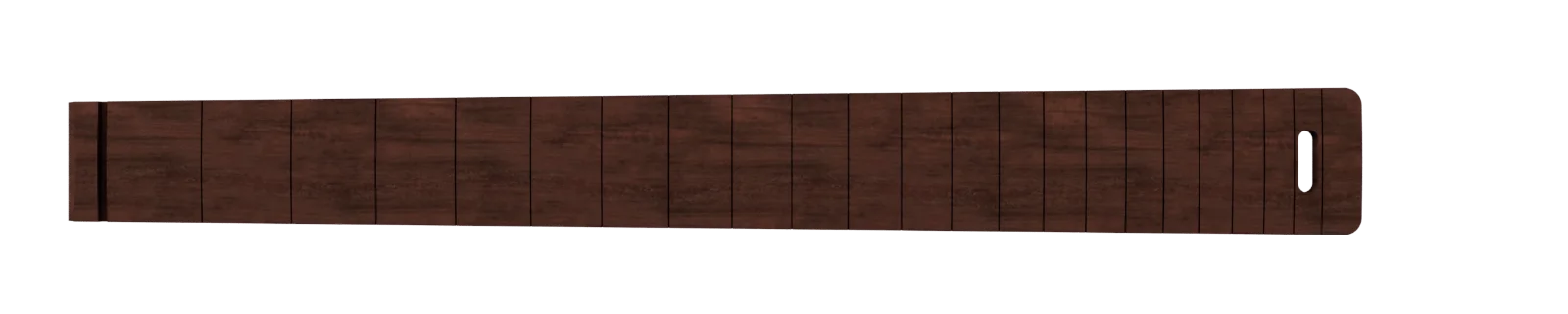
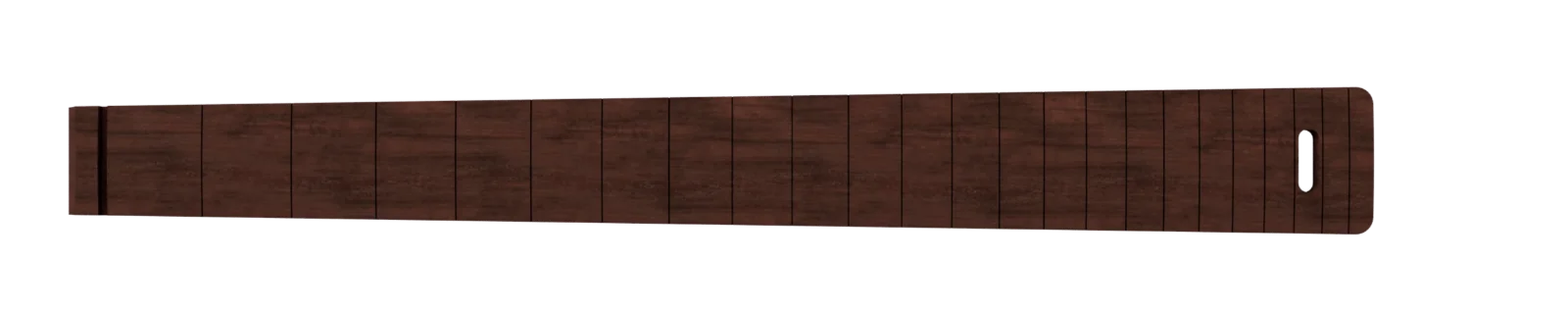
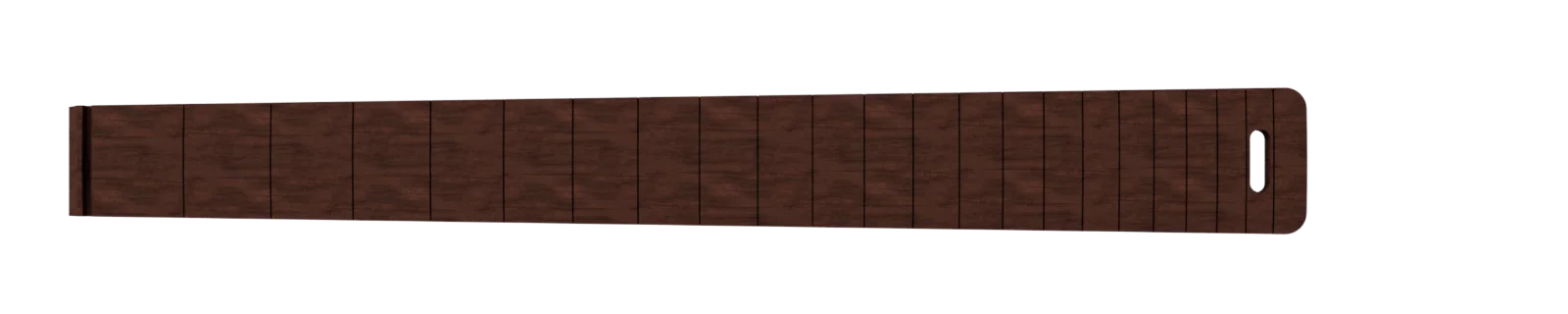
To design a custom fretboard you have to be exact with the measurements. Over the years we have made many kinds, some near-identical to earlier work, others completely new. Because each build carries its own tolerances and playing feel, we treat every fretboard as its own small engineering problem, worked out in CAD alongside the luthier until the geometry is exactly right.
A CAD-in-the-loop refinement process
Perfecting this instrument was an iterative dialogue. The luthier would shape the form by hand; we would capture and check it in CAD against the target geometry; and then we would refine and repeat. We ran that loop until both the final shape and the acoustic behaviour were where they needed to be. The walls end up as thin as a traditional acoustic guitar's, with the resonance to match.
Respecting the craft
The methods behind these guitars are the luthier's trade secrets, so we keep the specifics of their manufacture private. What we can show is the working relationship: hand craft and digital precision reinforcing each other, each catching what the other might miss.
Fretboard Gallery
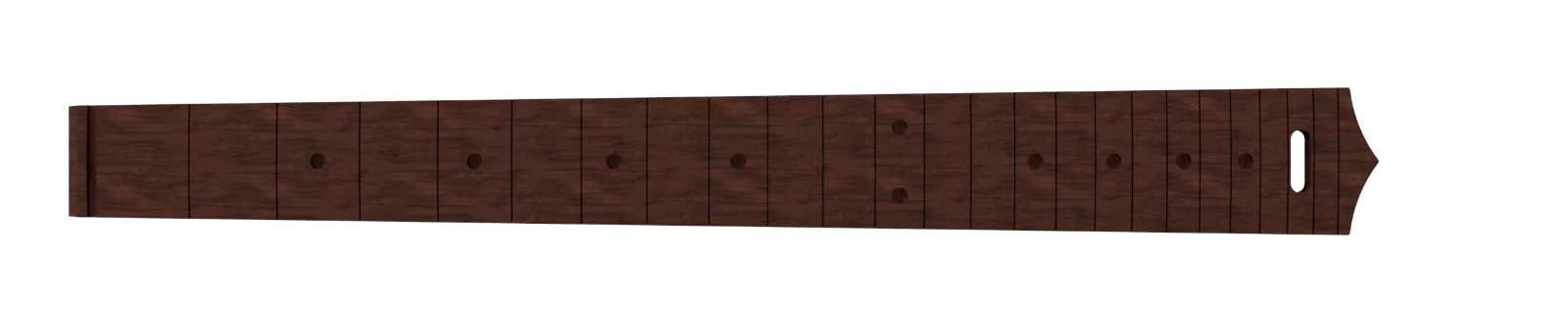
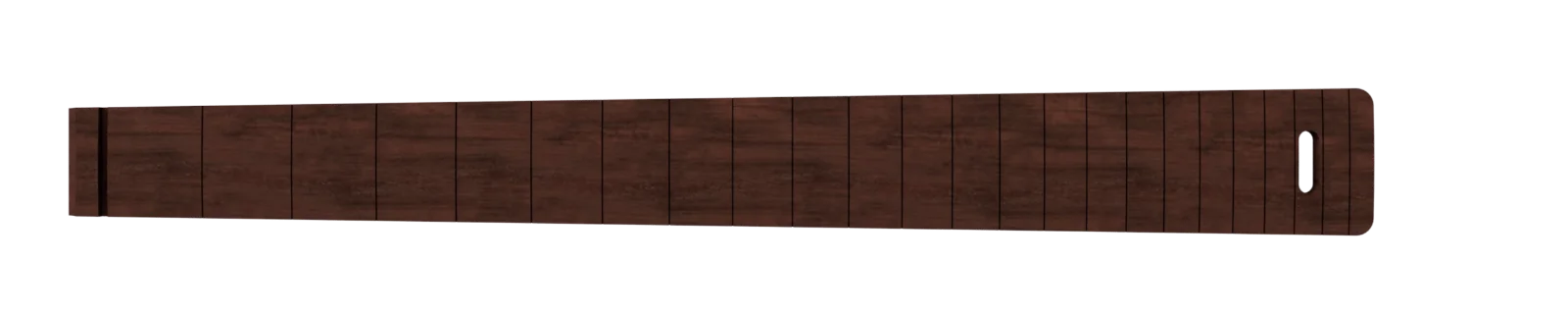
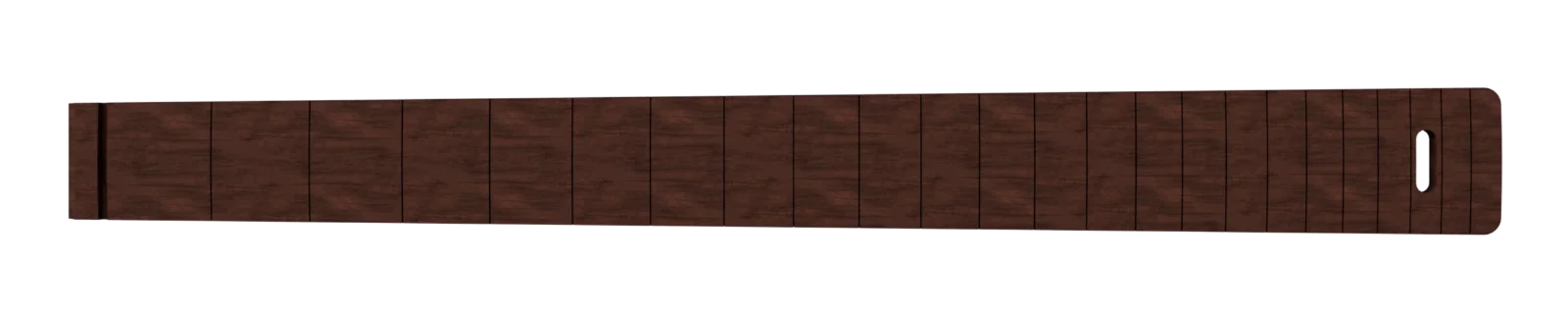
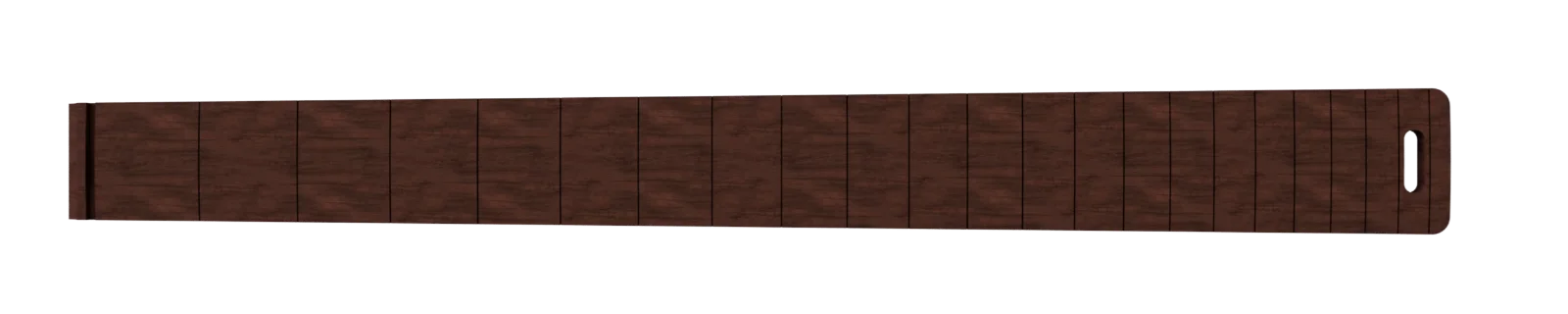
The challenge
A custom fretboard leaves no room for approximation: the geometry has to be exact, and on a hollow-body instrument the walls run as thin as a traditional acoustic, so the shape governs both the fit and the way the instrument sounds. We worked from a single piece of wood and refined the form with the luthier through a hand-shape, CAD-capture and refine loop, checking each revision against the measurements until both the final shape and its acoustic behaviour were right. The methods behind that behaviour are the luthier's own trade secrets, so the specifics stay private; our part was to hold the geometry to the numbers, iteration after iteration, until the target was met.
Part of Guitar Design.